A car door opened on you
Being doored gives a rider no reaction time at all. The law on this is clearer than most people realise.
Understanding the Scenario
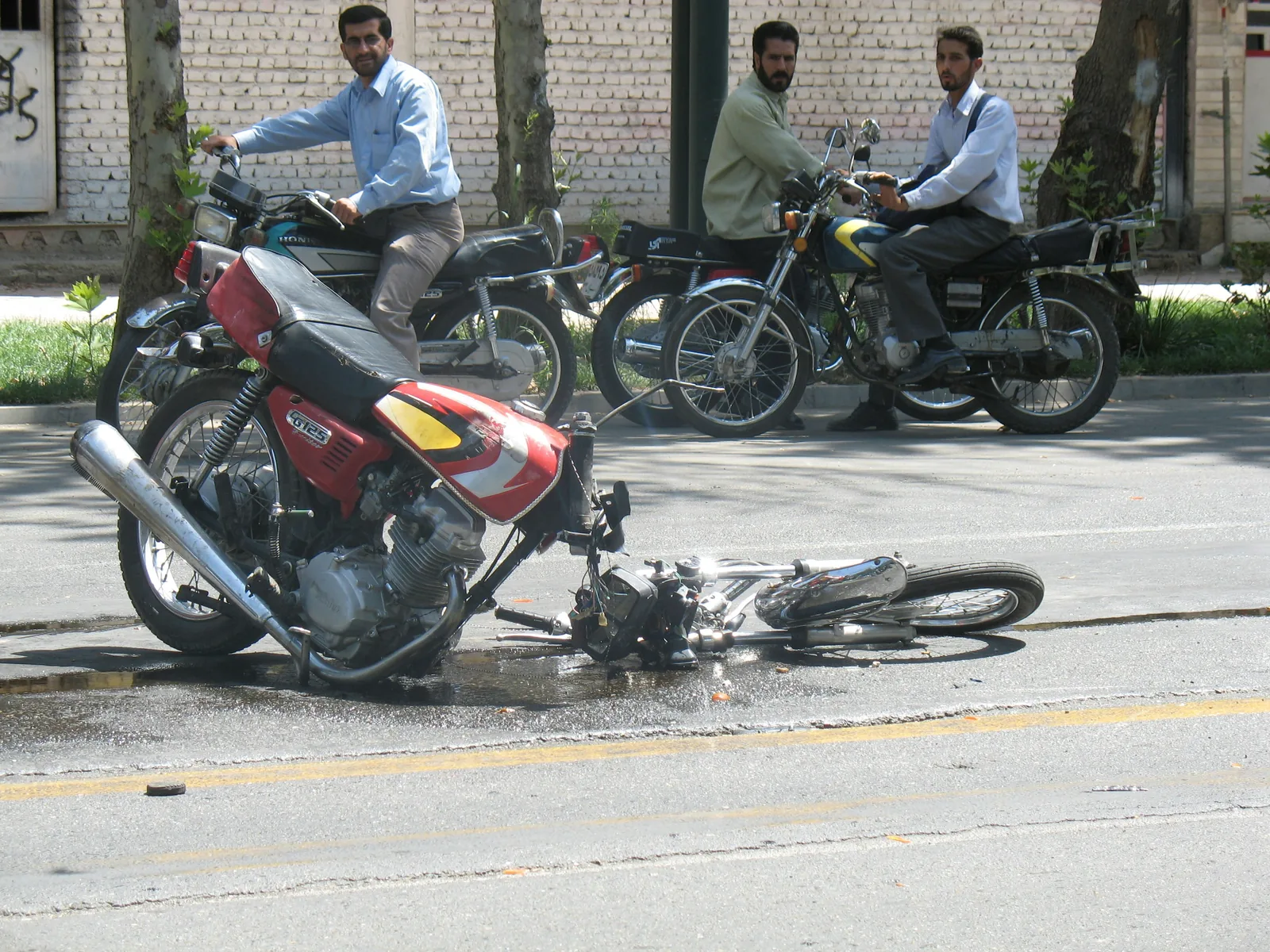
You are passing a line of parked or stationary vehicles and a door swings open into your path. There is no reaction time worth speaking of, and the outcome is usually either a direct impact with the door or being thrown into the adjacent lane, which can be worse. It happens most often in congested urban traffic, on busy shopping streets and around taxi ranks and drop-off points, and the person opening the door is frequently a passenger rather than the driver. Riders filtering through slow traffic are particularly exposed, because doors open into exactly the space they are using.
If you've been in a doored while riding, you may be eligible to pursue motorcycle accident claims or scooter accident claims. Understanding your rights is the first step to full recovery.
The Legal Angle
This is one of the clearer positions in road traffic law. It is an offence to open a vehicle door, or permit it to be opened, so as to injure or endanger anyone, and the Highway Code directs occupants to check for cyclists and motorcyclists before opening. Responsibility can rest with a passenger who opened the door as well as with the driver, and where the vehicle is a taxi or a private hire vehicle the operator may also be relevant. The main practical difficulty is rarely the law itself but identifying the vehicle and the person who opened the door, which is why acting quickly matters so much.
Evidence You Need
Building a strong case requires solid proof. Here is what typically makes the difference in this type of claim.
- The vehicle registration, make and colour, recorded immediately
- Which door opened and whether it was the driver or a passenger
- Photographs of the door damage and your position in the road
- Any dashcam or helmet-camera footage
- Witness details, especially other drivers held up behind
- Nearby CCTV or shop cameras, which are often overwritten within days
Common Complications
Insurers will try to minimize your payout. These are the usual tactics they deploy for these specific accidents, and how specialists counter them.
The occupants leaving the scene before details are exchanged
Disagreement about whether you were too close to the parked vehicles
The driver claiming a passenger opened the door and it is not their responsibility
Taxi and private hire vehicles where insurance arrangements are less obvious
Being blamed for filtering when the door opened without warning
Claim Elements
What a non-fault claim could involve
If the crash wasn't your fault, your claim can encompass various elements. The specialists we connect you with can review your circumstances to pursue appropriate compensation.
Your injury
Potential compensation for the injury itself, assessed based on severity and recovery time by medical professionals.

Your bike & gear
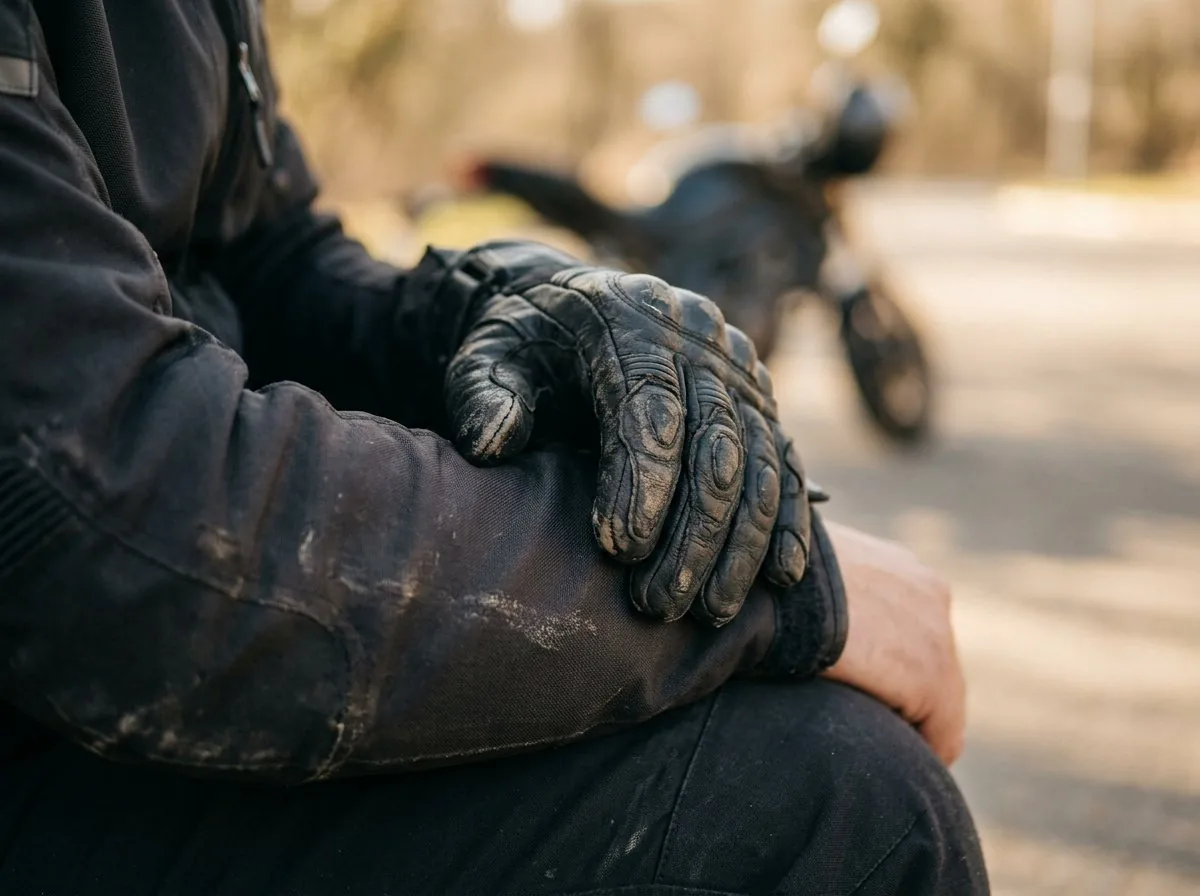
Specialists may pursue the costs of repairs, vehicle replacement, and damaged protective clothing like helmets and leathers.
Financial losses
Claims can often include loss of earnings if you needed time off work, and other reasonable out-of-pocket expenses.
Illustrative only. We are an introducer service and do not handle claims or predict outcomes. Claims are pursued by regulated specialists and outcomes depend entirely on individual circumstances.
Questions riders ask
Answers to common queries regarding the claims process.
Related Claim Scenarios
Filtering Crashes
Filtering is legal, but drivers hate it. If a car swerved into your path while you were filtering safely, you have the right to claim.
Read about filtering crashes scenariosHit By Car
When a ton of metal hits a motorcycle, the rider always loses. If a negligent driver knocked you down, connect with legal experts to fight your corner.
Read about hit by car scenariosHelpful guides
After A Motorcycle Accident
The best thing to do after a motorcycle accident is look after your health first, then protect your position by not admitting fault, preserving evidence and getting advice before you accept anything. Small decisions in the first hours and days can matter a lot later. This is general information, not legal advice, so speak to a regulated specialist about your own situation.
Read the guideWhat Can You Claim
After a non-fault motorcycle accident you may be able to claim for more than the injury itself. Depending on your circumstances, a claim can cover your pain and suffering, your motorcycle, your gear, lost earnings, care from family, treatment and out-of-pocket costs. Nothing is guaranteed, and what you recover depends on the evidence. A regulated specialist can identify every possible loss.
Read the guideCompensation Payouts
Forget the online calculators that promise a random number. Real compensation is based on hard medical evidence and exact financial losses. If you were knocked off your bike and it wasn't your fault, we connect you with specialists who ensure every single penny you lost is accounted for in your claim.
Read the guideStart your enquiry
Crashed your bike? We can connect you with specialists.
If the accident wasn't your fault, join the riders who've been connected to legal partners and explored their options for replacement bikes and compensation.
No upfront fees. Introductory service.