A car turned right across you
One of the most common ways riders get hurt. A driver turns across the oncoming lane and a motorcycle is the thing they misjudge.
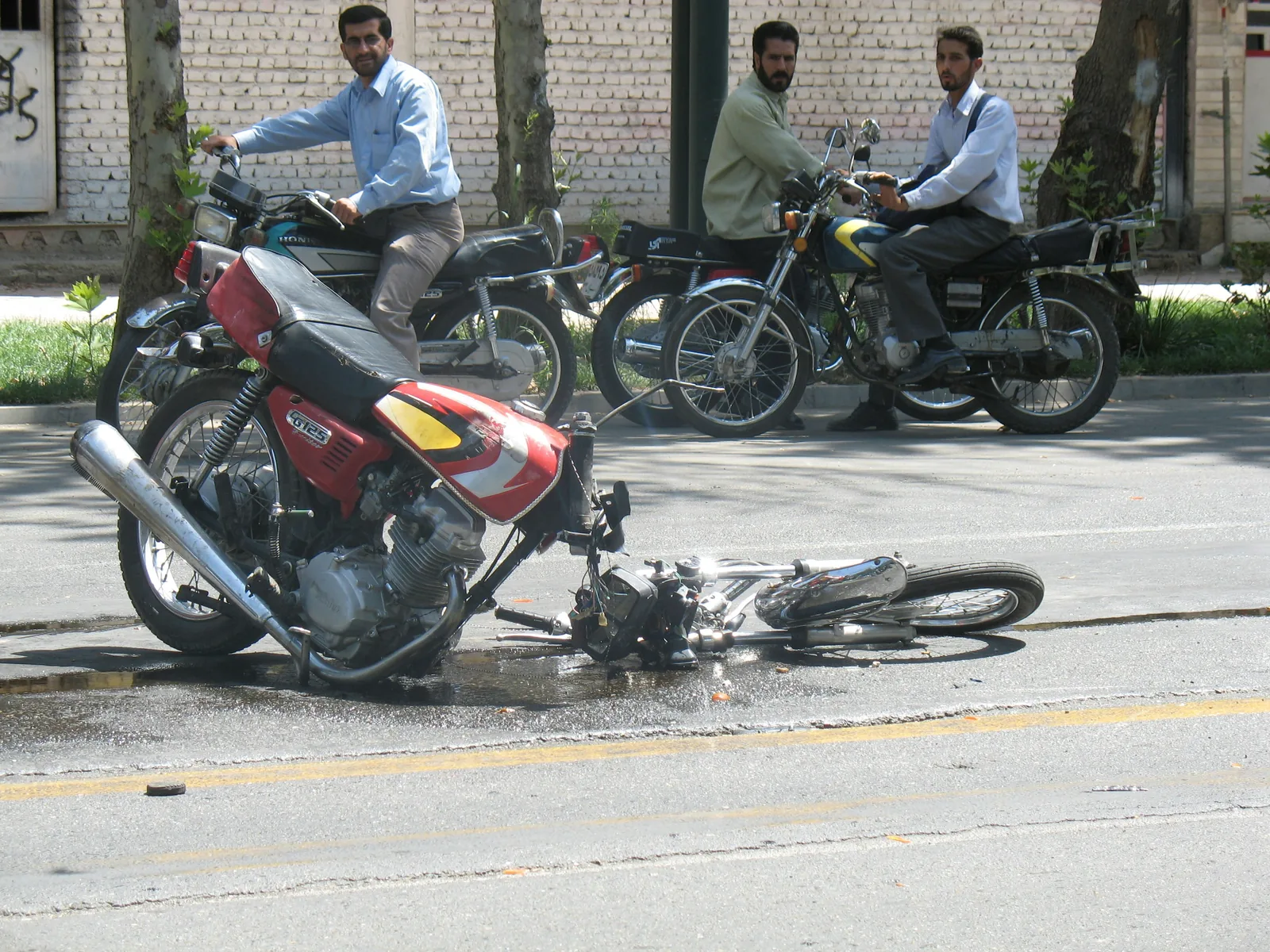
Understanding the Scenario
The driver is waiting to turn right, looking for a gap in oncoming traffic. They see a car in the distance, decide there is room, and go. What they have not registered is the motorcycle much closer to them, because a bike presents a narrow profile that is genuinely harder to judge for both distance and speed. From your side, the car simply appears across your lane with no time and nowhere to go. It is one of the most common and most serious motorcycle collisions on UK roads, because the impact is usually to the side of the vehicle at close to full road speed.
If you've been in a right turn across your path, you may be eligible to pursue motorcycle accident claims or scooter accident claims. Understanding your rights is the first step to full recovery.
The Legal Angle
A driver turning right across oncoming traffic is carrying out a manoeuvre that requires them to give way, and the Highway Code is clear that they must not proceed until it is safe. Misjudging the speed or distance of an approaching motorcycle is not generally treated as an excuse, because the duty is to be sure before turning rather than to assume. That said, insurers frequently argue contributory negligence, usually by suggesting the rider was travelling too fast or could have avoided the collision, so what the evidence shows about approach speed and reaction can matter a great deal to the outcome.
Evidence You Need
Building a strong case requires solid proof. Here is what typically makes the difference in this type of claim.
- Dashcam or helmet-camera footage, which is decisive in these cases
- The final resting positions of both vehicles before anything is moved
- The point of impact on the car, which indicates how far through the turn it was
- Any skid marks or debris showing where braking began
- Independent witnesses, particularly drivers behind the turning car
- Photographs showing sightlines and any obstruction at the junction
Common Complications
Insurers will try to minimize your payout. These are the usual tactics they deploy for these specific accidents, and how specialists counter them.
The driver claiming you came out of nowhere or were speeding
An allegation of contributory negligence to reduce the settlement
Disputes about whether you had time to brake or take avoiding action
The driver saying they were already committed to the turn
Arguments about whether your headlight was on or you were visible
Claim Elements
What a non-fault claim could involve
If the crash wasn't your fault, your claim can encompass various elements. The specialists we connect you with can review your circumstances to pursue appropriate compensation.

Your injury
Potential compensation for the injury itself, assessed based on severity and recovery time by medical professionals.

Your bike & gear
Specialists may pursue the costs of repairs, vehicle replacement, and damaged protective clothing like helmets and leathers.
Financial losses
Claims can often include loss of earnings if you needed time off work, and other reasonable out-of-pocket expenses.
Illustrative only. We are an introducer service and do not handle claims or predict outcomes. Claims are pursued by regulated specialists and outcomes depend entirely on individual circumstances.
Questions riders ask
Answers to common queries regarding the claims process.
Related Claim Scenarios
SMIDSY
It's the most common and infuriating excuse in biking. If a driver pulled out and wiped you out, we connect you to specialists who prove fault.
Read about smidsy scenariosHit By Car
When a ton of metal hits a motorcycle, the rider always loses. If a negligent driver knocked you down, connect with legal experts to fight your corner.
Read about hit by car scenariosHelpful guides
Disputed Liability
A denial does not mean your claim is over. It means fault has to be proven rather than assumed. Liability is often established using witnesses, dashcam or CCTV, the police report, vehicle damage, and sometimes expert reconstruction. Insurers sometimes wrongly blame riders, and a specialist solicitor can push back. This is general information, not legal advice, and no outcome can be guaranteed.
Read the guideAfter A Motorcycle Accident
The best thing to do after a motorcycle accident is look after your health first, then protect your position by not admitting fault, preserving evidence and getting advice before you accept anything. Small decisions in the first hours and days can matter a lot later. This is general information, not legal advice, so speak to a regulated specialist about your own situation.
Read the guideCompensation Payouts
Forget the online calculators that promise a random number. Real compensation is based on hard medical evidence and exact financial losses. If you were knocked off your bike and it wasn't your fault, we connect you with specialists who ensure every single penny you lost is accounted for in your claim.
Read the guideStart your enquiry
Crashed your bike? We can connect you with specialists.
If the accident wasn't your fault, join the riders who've been connected to legal partners and explored their options for replacement bikes and compensation.
No upfront fees. Introductory service.