You came off on gravel or debris
No other vehicle involved does not automatically mean no claim. Someone may still be responsible for what was on the road.
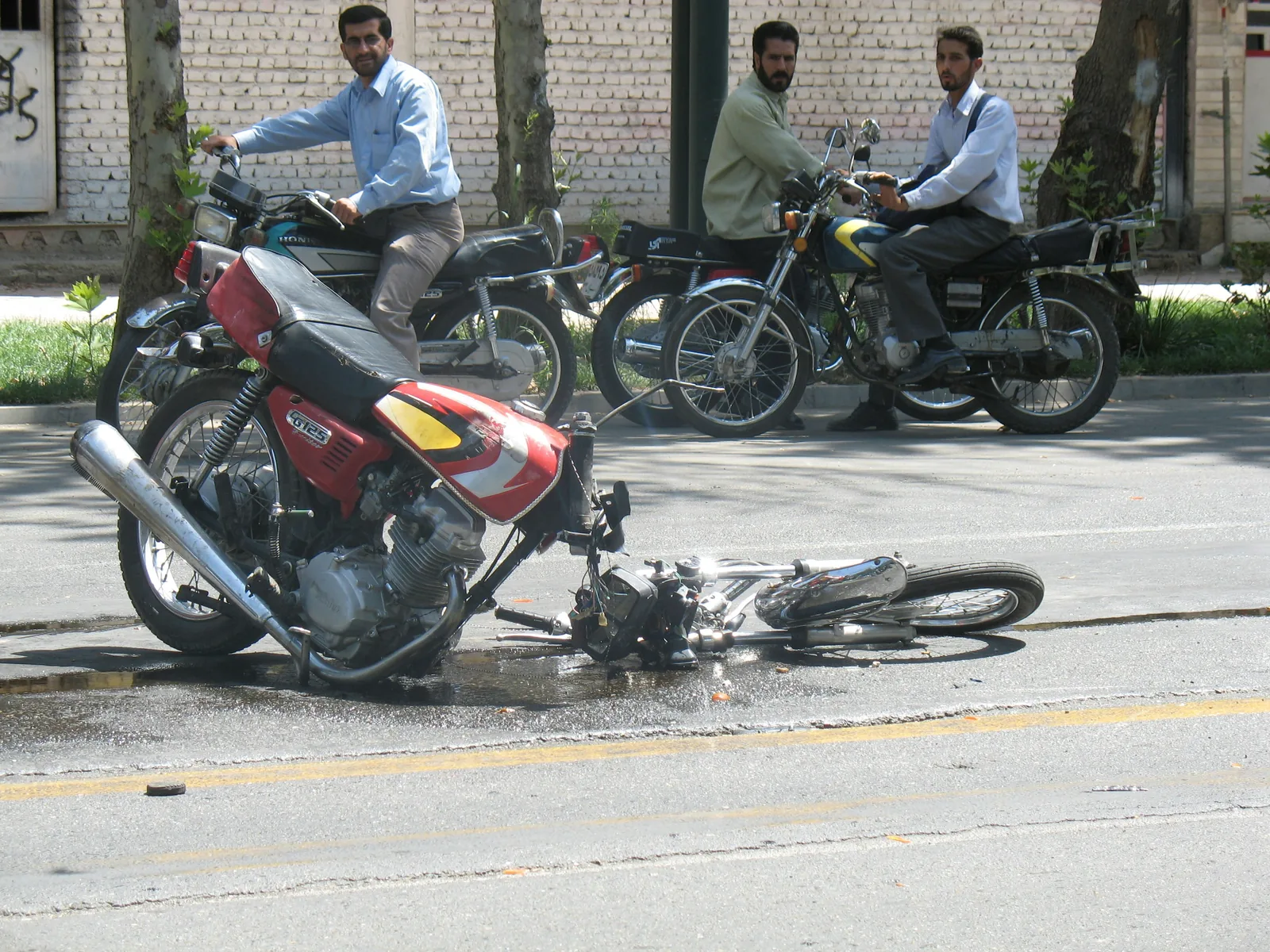
Understanding the Scenario
Loose gravel on a bend, mud dragged onto a road by farm traffic, a spilled load, or the aftermath of roadworks that was never swept properly. For a car it is a moment of poor grip. For a motorcycle it can remove the front end entirely with no warning and no opportunity to correct. Riders in this position often assume that because no other vehicle touched them there is nobody to claim against, and that assumption is frequently wrong. The material was very often put there, left there, or allowed to remain there by somebody with a responsibility to deal with it.
If you've been in a gravel and road debris, you may be eligible to pursue motorcycle accident claims or scooter accident claims. Understanding your rights is the first step to full recovery.
The Legal Angle
Two routes are worth considering. The first is against whoever caused the hazard, such as a contractor who left loose chippings, an operator whose load was insecure or a landowner whose vehicles deposited mud without cleaning it. The second is against the highway authority, which carries a statutory duty to maintain the highway, though it has a defence if it can show it took reasonable care in the circumstances. Which route applies depends heavily on the facts, how long the hazard had been there and whether it had been reported, so evidence about the state of the road matters more in these cases than in almost any other.
Evidence You Need
Building a strong case requires solid proof. Here is what typically makes the difference in this type of claim.
- Photographs of the surface itself, taken before it is cleared or washed away
- Something for scale in the photographs, and wider shots showing the location
- Any signage present, or the absence of warning signs
- Evidence of the source, such as nearby works, a farm entrance or a spillage trail
- Whether the hazard had been reported before, which may be obtainable later
- Witnesses, including anyone who had seen the hazard previously
Common Complications
Insurers will try to minimize your payout. These are the usual tactics they deploy for these specific accidents, and how specialists counter them.
The hazard being cleared before it is photographed
The highway authority arguing it had a reasonable inspection regime
Difficulty identifying who deposited the material
Being told that a single-vehicle accident is automatically the rider's fault
Arguments that the hazard was visible and should have been avoided
Claim Elements
What a non-fault claim could involve
If the crash wasn't your fault, your claim can encompass various elements. The specialists we connect you with can review your circumstances to pursue appropriate compensation.
Your injury
Potential compensation for the injury itself, assessed based on severity and recovery time by medical professionals.

Your bike & gear
Specialists may pursue the costs of repairs, vehicle replacement, and damaged protective clothing like helmets and leathers.
Financial losses
Claims can often include loss of earnings if you needed time off work, and other reasonable out-of-pocket expenses.
Illustrative only. We are an introducer service and do not handle claims or predict outcomes. Claims are pursued by regulated specialists and outcomes depend entirely on individual circumstances.
Questions riders ask
Answers to common queries regarding the claims process.
Related Claim Scenarios
Diesel Spills
Diesel on a wet road is like black ice. If a negligent spill caused you to drop your bike, we connect you with experts to build your case.
Read about diesel spills scenariosHit & Run
They knocked you off and sped away to avoid the blame. You can still claim. We connect you with specialists who navigate the MIB process.
Read about hit & run scenariosHelpful guides
Claiming With No Witnesses
It is a biker's worst nightmare. A car wipes you out on an empty country road or a quiet industrial estate. There is nobody around. It is just your word against the driver's, and the driver disputes what happened. You might think you cannot win, but that is not necessarily so. We connect you with specialists who use hard physical evidence to establish what really happened.
Read the guideAfter A Motorcycle Accident
The best thing to do after a motorcycle accident is look after your health first, then protect your position by not admitting fault, preserving evidence and getting advice before you accept anything. Small decisions in the first hours and days can matter a lot later. This is general information, not legal advice, so speak to a regulated specialist about your own situation.
Read the guideCompensation Payouts
Forget the online calculators that promise a random number. Real compensation is based on hard medical evidence and exact financial losses. If you were knocked off your bike and it wasn't your fault, we connect you with specialists who ensure every single penny you lost is accounted for in your claim.
Read the guideStart your enquiry
Crashed your bike? We can connect you with specialists.
If the accident wasn't your fault, join the riders who've been connected to legal partners and explored their options for replacement bikes and compensation.
No upfront fees. Introductory service.